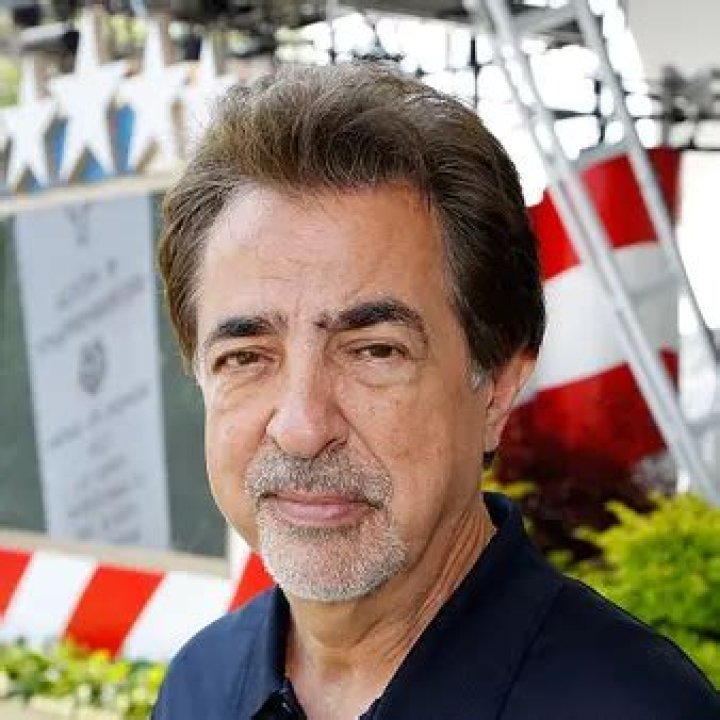
Ron Howard is known primarily as a director these days, but when he started his career way back in the late 1950s at the age of five, Howard was a child actor. His first major role came as Opie on The Andy Griffith Show, which ran from 1960 to 1968. A few years later, he landed another iconic character: Richie Cunningham on Happy Days. But, while Howard was already quite used to being on TV sets, appearing on the series was still stressful for the young actor. In his new memoir, Howard shares that the beginning of Happy Days' run took such a toll of him that he experienced physical symptoms in response to the pressure, particularly as it pertained to one co-star.
Howard looks back on Happy Days and more in the new book, The Boys: A Memoir of Hollywood and Family, which he co-wrote with his brother and fellow actor Clint Howard. Howard and his brother were both child stars, and they share their personal stories of growing up in front of the camera in their book. Read on to see what Howard revealed about his time on Happy Days, including the one situation that affected him the most.
RELATED: 17 Former Child Stars Who Have Totally Different Jobs Now.
Howard was worried about how popular another character was becoming.
When Happy Days premiered, Fonzie, played by Henry Winkler, was not a main character. But, due to his popularity, Fonzie gradually became a larger part of the show, which made Howard, the lead of the series, feel threatened. ABC even considered renaming the show Fonzie's Happy Days. In the book, Howard says that the series' creator Garry Marshall said he wouldn't change the title if Howard didn't approve, and he didn't.
"The biggest stressor of all was Fonzie. Not Henry [Winkler], but Fonzie," Howard writes in The Boys, according to the New York Post. "It did not escape my notice that as the season went on, the Fonz was getting more and more screen time."
This is when Howard began losing his hair.
Howard, who was 20 when the series premiered, explains that the distress he experienced at this time caused him to develop eczema and lose his hair. "I didn't handle my stress particularly well," he writes in the book. "I probably would have benefited from seeing a psychotherapist … Instead, I kept everything inside. Then I started breaking out in eczema rashes all over my body, most acutely on my eyelids … And my hair started thinning. Looking at the men on both sides of my family, I knew it was inevitable … But it started coming out in alarming clumps during this time."
For more celebrity news delivered right to your inbox, sign up for our daily newsletter.
He also experienced anxiety as a child star.
In an interview about the book with The Hollywood Reporter, Howard shared that when he started appearing as Opie on The Andy Griffith Show, he was teased in school. "In retrospect, it was definitely anxiety-provoking, particularly going back to the public schools," he said. "The life that's supposed to be quote normal and finding it alienating and even a little threatening and frightening at times, and yet learning to navigate that and cope with that … and then understanding how that somehow made me different in the world. I had to accept that in a way." He added, "I don't think people would've thought that was a difficulty or a challenge that I was particularly coping with."
The brothers' parents helped them survive child stardom.
Clint was also a child star. He starred on the series Gentle Ben and appeared on a few episodes of The Andy Griffith Show, along with many other roles, and is still an actor today. Both Howard brothers recognize that the support and love of their parents helped them get through child stardom, as well as Clint's later issues with alcohol and drugs. He's now been sober for 30 years.
"What I found amazing about Mom and Dad after we had finished the book was just how consistent they were," Clint told The Hollywood Reporter. "I always knew they were great parents but I never before recognized how magical they were."
In some ways, Howard didn't realize how terrifying child stardom can be until he was an adult.
Writing the book made Howard look back at his time as a young actor differently and realize just how challenging being a child star is. "We just began to realize [when] looking back that this notion of us surviving and even flourishing, and then transitioning into adulthood in a constructive, positive way was a mission," he said in The Hollywood Reporter interview. "It was a challenge. It was a journey. For us living through it at the time, it was our lives but, looking back on it, we recognized just how fraught it was in various ways. The business is sort of set up for child thespians to fail, ultimately, and on an emotional level, it's supercharged with anxiety-provoking aspects."
RELATED: This Former Child Actor Quit After "Devastating" Star Wars Experience.
Lia Beck Lia Beck is a writer living in Richmond, Virginia. In addition to Best Life, she has written for Refinery29, Bustle, Hello Giggles, InStyle, and more.Read moreFiled UnderActors • Celebrities • Entertainment • NewsRead This NextCelebs Who Married Their First Loves
These athletes, actors, and musicians found love early in life and stuck with it.February 25, 2021Movie Quotes Every '90s Kid Knows by Heart
This decade produced countless quotable films.June 25, 2024Child Stars Who Have Way Different Jobs Now
From artists to teachers to a whole bunch of lawyers.June 9, 202110 Things You Didn't Know about Justin Trudeau
Athlete, nerd, hopeless romantic, thespian. Yes, there’s a lot more to Canada’s Prime Minister than just politics.March 21, 2017Jon Hamm: The Best Life Interview
Jon Hamm, star of TV's Mad Men, reveals the secrets of manliness in a postmodern world.November 15, 2016Driving Tips Smart Men Know
Ten easy ways to be the safest driver on the road. April 3, 2017Men Who Set the Time: Cash Warren
The successful producer, entrepreneur and husband of Jessica Alba reveals how you, too, can live your best life.October 31, 2016Dr. Oz: The Best Life Interview
Mehmet Oz, M.D., asks the toughest question: Are you living or dying?October 23, 2016Dr. Oz's 15 Best Life Tips
October 23, 2016The One That Got Away
A single nutrient—omega-3 fatty acids—may have turned early humans into civilized man. Has stripping it from our diet given rise to cancer, diabetes, and other civilized diseases? Our correspondent investigates.February 23, 2017